Waning Gibbous
Born under a Waning Gibbous
What the sky was doing
In the nights after full, the Moon rises later each evening and the shadow returns from the right hand side as seen from the northern hemisphere. On your birthday it came up well after sunset, was high in the middle of the night, and was still hanging in the western sky in the morning, pale against the blue.
This is the phase most people see by accident, because it belongs to the late hours and to the early ones. A daytime Moon is very often a waning gibbous, faded and slightly translucent, going about its business while everyone else is at work.
There was a lot of light on the night you were born, and it was decreasing. In the older agricultural calendars this was the part of the month for gathering in and for teaching rather than for starting.
Themes the tradition gives this phase
Lunar folklore names this the disseminating phase, which is an old word for handing something on. The experience has been had, the full light has been seen, and now the point is to make sense of it and pass it along. People born here are frequently described as natural explainers.
That shows up as a strong instinct to translate. Many with this birthday find they are the one who says what the meeting actually decided, who tells the family what the doctor meant, who turns a mess of experience into something another person can use. It can look like teaching, writing, mentoring, or simply being the friend everybody calls.
The shadow the tradition names is the temptation to narrate instead of live. A waning Moon is looking back at what has already happened, and this phase can spend a great deal of energy interpreting a life that would rather be continued. Certainty is the other risk. Having understood something once, it is easy to stop revising.
Take what fits and leave the rest. The value of the phase is the question, which is what you know that you have not yet passed on.
Love and relationships
In love this phase is communicative, generous with insight, and inclined to talk things through thoroughly. Waning Gibbous people often say they cannot be at ease in a relationship until they understand what is going on in it, which makes them unusually good at repair.
The tradition suggests the growth is in tolerating unresolved feeling. Not everything a partner brings needs to be processed into a conclusion the same evening, and some closeness only happens in the part of an experience that has not been explained yet.
You do well with someone who values being understood and who will occasionally interrupt the analysis with something warm and wordless. It also helps to ask before offering insight. What sounds like generosity from your side can land as correction from theirs.
Work and purpose
Teaching, editing, documenting, advising, and any work that converts experience into something transferable tends to suit this phase. Waning Gibbous temperaments are often the institutional memory of wherever they are, and they are usually underpaid for it because the value is hard to see on a spreadsheet.
The reported risk is staying too long in a chapter you have already understood. The counsel from the tradition is to notice when explaining has replaced doing, and to go and have a genuinely new experience before you run out of things to say.
Purpose here is very often other people. Many with this birthday describe their most meaningful work as something somebody else went on to do because of what they were told, and that is a legitimate shape for a life to take.
How to work with this light
Each month, a few nights after the Moon is full, your phase is in the small hours and the early morning. It is worth catching once. A pale Moon in a daylit sky is the most honest image this tradition has for knowing something quietly while the world gets on with other things.
The practice is to give one thing away: an answer, an introduction, a lesson learned the expensive way. Waning light is for returning, and this phase is reliably steadier when it has something in circulation.
Finally, keep one part of your life unexplained. Not secret, simply not yet turned into a story. People with this birthday often find that the unexamined corner is where the next real thing starts.
A card to draw for this phase
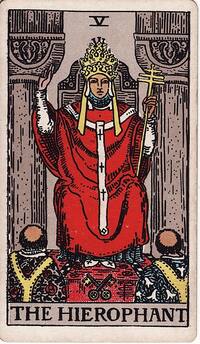
The Hierophant sits between tradition and the people receiving it, passing something on in a form they can actually hold. That is the work of a waning gibbous Moon. Draw it when you are deciding what is yours to teach and what is yours to keep learning.
Questions people ask
What is the disseminating Moon?
It is the traditional name for the waning gibbous phase, meaning the part of the month for sharing out what the full Moon revealed. We use the plainer name on the calculator.
Why do I sometimes see the Moon in the morning?
A waning Moon rises later and later, so it is still above the horizon after sunrise. The pale daytime Moon most people notice is usually a waning gibbous.
Does a waning birthday mean declining energy?
No. The tradition reads waning as returning rather than losing, and it associates these phases with understanding, teaching and release. There is no ranking of the eight phases here.
Find your own moon phase
See the exact shape, the lit percentage and the sign the Moon was travelling through on the day you were born.
Open the calculatorMoon and Saturn
When you are ready
Let the cards speak
Draw today's card in a moment, or sit with a full spread of your own choosing.